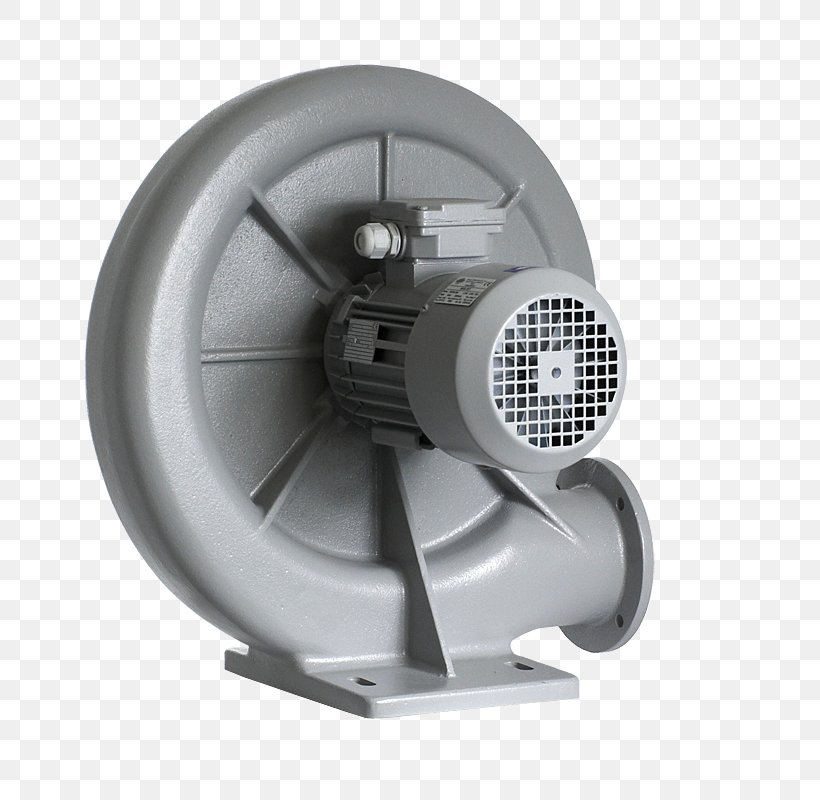
Centrifugal Force Fan. As a result the gas pressure in the fan casing is increased. The centrifugal fan was invented in 1832 by military engineer lieutenant general alexander sablukov of the russian empire’s imperial russian army.
Centrifugal Fan Rotor Air Pressure, PNG, 800x800px, Fan, Air from favpng.com
When the impeller rotates, air is allowed to enter the fan around the open space between the impeller and the shaft and is forced to proceed at a right angle to the. If the axis of rotation passes through the coordinate system's. Figure 1 shows the direction of the fluid.
Image By Jakob Strauß From Pixabay.
These fans propel air mass perpendicular to air incoming axial direction, creating centrifugal effect.it can be envisaged that the leading edge of impeller blades scoop air mass, churning them outwards, before being thrown out at trailing edge of the blades. The impeller rotates, ausing air to enter the fan near the shaft and move. The centripetal force to the ceiling fan:
Just Like Axial Fans, There Are Different Types Of.
There are three types of centrifugal fans classified based on their blade configuration on the impeller. As apparent in figure 1, the hub turns on a driveshaft that passes through the fan housing. This produces potential energy by the rotational velocities imparted to the air as it leaves the tips of the blades.
Centripetal Force Pertains To Revolving.
The design made a resurgence in the early 1800s. As a result the gas pressure in the fan casing is increased. Revolving means a point traveling in a circle.